Digital Transformation
Connect your hardware. Integrate your software. Unlock operational insight.
Digital transformation brings people, equipment, and information together to support more connected, data-driven operations. By linking industrial hardware with software platforms, you can turn shop-floor data into useful information for monitoring performance, managing production, and identifying opportunities for improvement.
Industrial Hardware
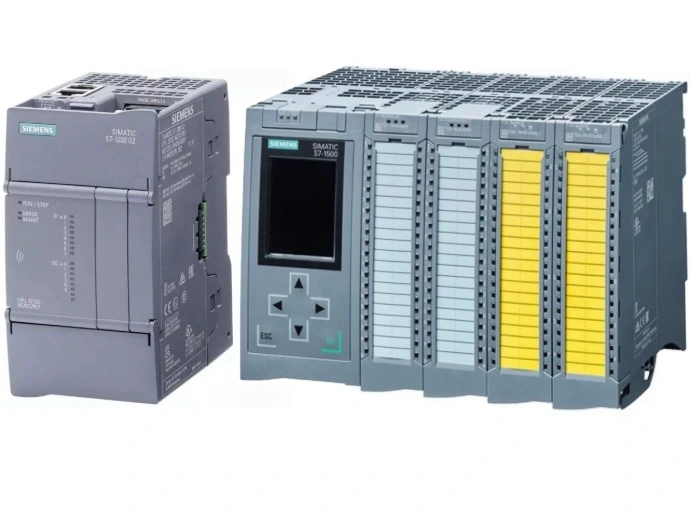
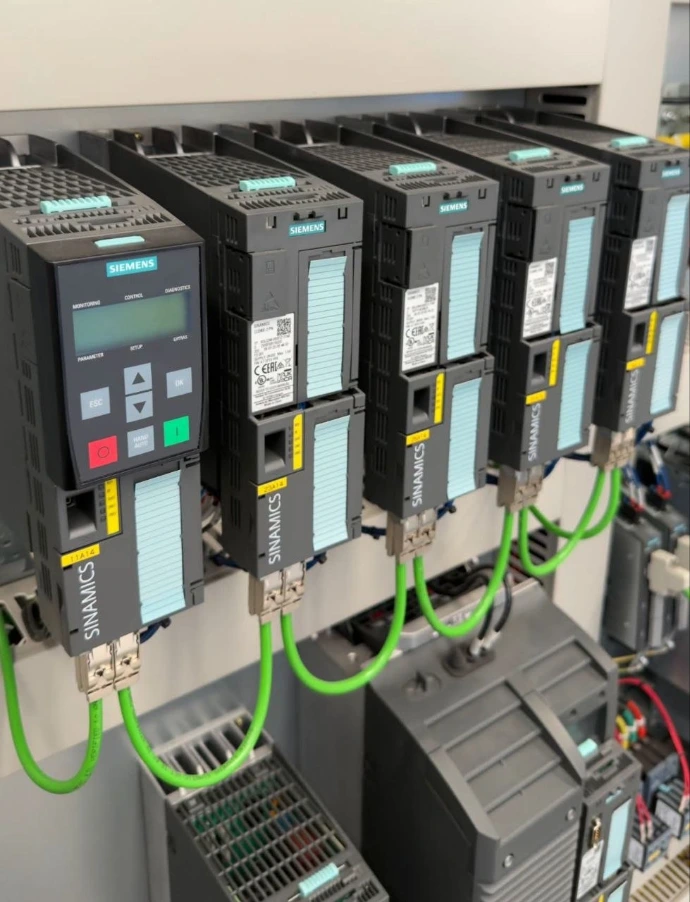
Siemens PLCs
Siemens SIMATIC controllers are rugged, modular programmable logic controllers (PLCs) that automate machines, production lines, and industrial processes with precision, reliability, and real-time performance. From compact machine control to high-performance plant automation, Siemens provides a scalable controller platform for virtually any industrial application.
Built for industrial automation
Siemens PLCs monitor field devices, execute control logic, manage alarms, and command motors, valves, drives, and other equipment in real time. Their modular architecture allows engineers to configure systems using CPUs, power supplies, signal modules, technology modules, and communication modules.
This flexibility makes Siemens controllers suitable for applications ranging from simple machine control to complex distributed automation systems.
Connect with us to get started or migrate from legacy systems
Industrial Software
SCADA
Signal Controls provides modern SCADA tools for full supervisory control. Monitor operations in real time, respond quickly to alarms, and turn data into clear decisions.
HISTORIAN
A data historian securely records process data over time, so you can analyze trends, troubleshoot faults, and improve performance with confidence.
MES
A Manufacturing Execution System (MES) tracks production in real time, connecting plant floor to business systems to improve efficiency, quality, and traceability.
IIOT
Delivering end-to-end IIoT solutions built on trusted IT standards. We connect your machines, sensors, and control systems to the people who need their data, from the plant floor to the boardroom.
ALARMING
Alarms alert your team to faults instantly, protecting people, equipment, and production, and helping you act before small issues become costly downtime.
REPORTING
Automated reporting turns plant data into clear, accurate insights, helping you track performance, meet compliance requirements, and make faster, better decisions.
EDGE COMPUTING
Edge computing processes data right at the machine, delivering faster responses, reduced network load, and reliable operation, even when connectivity drops.
ENTERPRISE
Scalable automation solutions for companies of every size. Improve efficiency and make better decisions across your whole organization.
SCADA
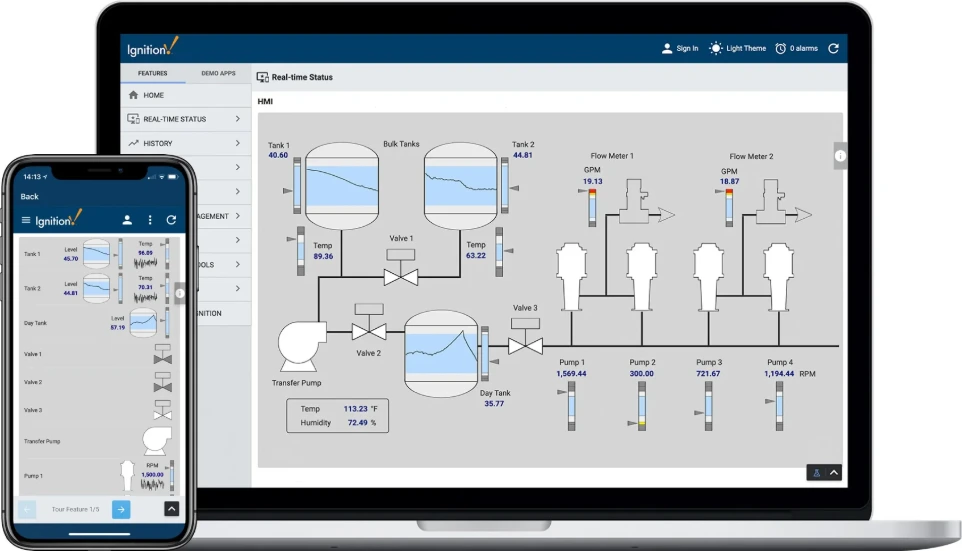
Our web-based industrial automation platform can connect people, machines, and data across a single facility or an entire enterprise. It combines SCADA, HMI, historian, alarming, reporting, IIoT, MES capabilities and database applications in one modular system.
Built for Modern Operations
Connected Systems. Clear Operational Insight.
This solution uses a server-based Gateway architecture to collect and bring together data from PLCs, RTUs, sensors, databases and other industrial systems. By presenting information from multiple sources in a unified environment, it gives your team a clearer view of plant conditions, equipment status and process performance.
Operators access dashboards and control screens through desktop clients or browser-based interfaces, making plant information available on desktops, tablets and mobile devices. Screens can be tailored to different roles, helping operators, maintenance teams and managers access the information relevant to their responsibilities.
From Plant Data to Practical Decisions
Configured around your operational requirements, the platform brings process values, equipment status, alarms and historical trends into a coordinated interface. This helps your team investigate issues, review changes over time and make informed operational decisions.
Access can be structured around user roles, with monitoring and control permissions assigned to authorized personnel. Remote access and control functions are configured with your site’s cybersecurity requirements and operating procedures in mind.
Your Partner Throughout the Journey
With Signal Controls, you gain a team committed to supporting you beyond the initial installation. From understanding your requirements and planning the solution to configuration, commissioning and ongoing support, we work alongside you at each stage.
We take time to explain your options, involve your team and help users become confident with the system. As your operations evolve, we remain available to assist with troubleshooting, improvements and planned expansion—helping you get lasting value from your investment.
MES
Manufacturing Execution System
Connect your production. Improve performance. Strengthen quality.
Turn production data into actionable insight with a Manufacturing Execution System (MES). By connecting shop-floor operations with business systems, MES gives your team the visibility and control needed to manage production—from raw materials to finished products. Monitor performance, guide production activities and maintain reliable manufacturing records in one connected environment.
OEE & Downtime Monitoring
Understand losses. Focus improvements.
Gain a clearer view of equipment effectiveness with Overall Equipment Effectiveness (OEE). By measuring availability, performance, and quality, MES helps your team identify downtime, speed losses, and quality issues that limit production output. Track stoppages and their causes, compare performance over time, and focus improvement efforts where they can make the greatest difference.
Batch & Procedure Management
Bring consistency to every production run.
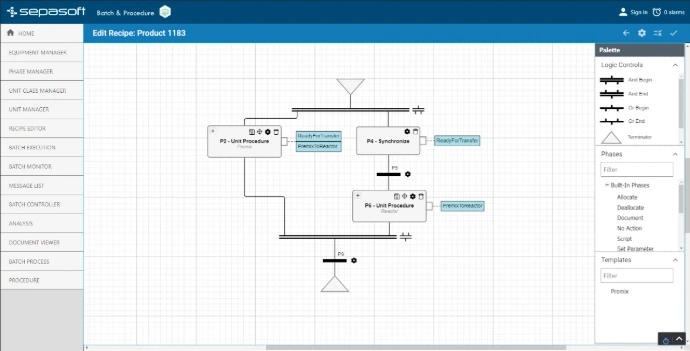
Digitize recipes, work instructions, and production procedures to guide operators through defined manufacturing steps. Standardize execution, capture production data, and maintain a record of how each batch was made. Connect procedures with material tracking to build a more complete picture of every production run.
Track & Trace
Know what went into every product.
Maintain visibility of materials as they move through production. Link raw-material lots, work-in-progress, and finished goods to the manufacturing records captured at each stage. Material genealogy helps your team trace products back to their inputs, identify potentially affected batches during investigations, and support audits and recalls.
Statistical Process Control (SPC)
Understand variation. Improve consistency.
Bring process measurements and quality results together to monitor trends, detect changes, and investigate variation. Statistical Process Control (SPC) helps your team understand process behaviour and make informed decisions about corrective action. Use these insights to focus improvement efforts on the causes of scrap, rework, and inconsistent quality.
One Connected View of Manufacturing
Connect your shop floor. Inform your decisions.
Bring equipment performance, production execution, material traceability, and quality monitoring together with a Manufacturing Execution System (MES). Give operators, production managers, and quality teams a shared view of production—helping them coordinate actions and make informed decisions.
At Signal Control, we help you map your journey towards connected manufacturing. Connect with our team to explore an MES solution aligned with your processes, operational priorities, and production goals.
Industrial Data Historian
Site Historian, Enterprise Historian, or Both!
The beauty of the our Historian software is that the same solution works as well on site as it does for the entire enterprise. You can log data locally, while sending it to your enterprise historian simultaneously. Best of all, as you grow, so does the solution. A single deployment can hold up to two million tags.
This Historian is a high-performance industrial data historian from Canary Labs that collects, stores, compresses, and serves large volumes of time-series data from PLCs, SCADA systems, MQTT sources, databases, and other industrial applications. It is designed for scalable plant and enterprise data logging, trending, reporting, and analytics. Canary uses Data Collectors to gather data from sources such as OPC DA, OPC UA, MQTT/Sparkplug, SQL databases, and CSV files. The data is stored in the Canary Historian’s time-series database, organized into DataSets—logical groups of tags that contain daily historical database files.
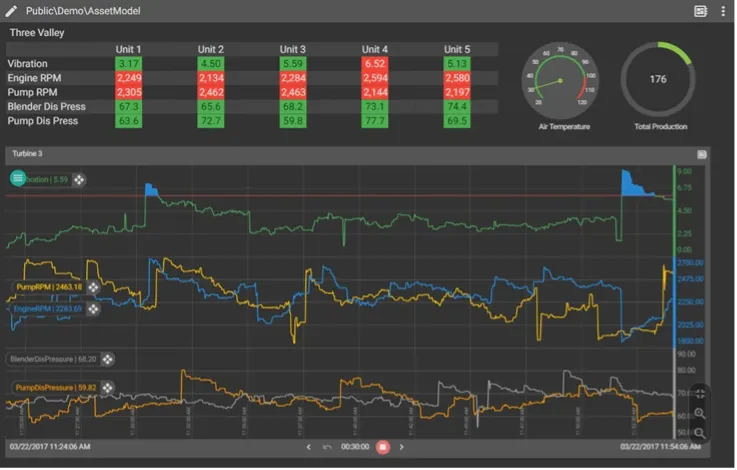
Reliable process data. Lossless compression. Better decisions.
Turn your production data into a valuable operational resource with our Historian solution. Built for industrial environments, the solution collects and stores time-series data from your equipment and control systems, giving your team access to the historical information they need to understand performance and investigate process issues.
Preserve Your Data Without Compromise
The Historian uses lossless compression to reduce storage requirements without altering the original recorded values. Your stored data retains its detail and accuracy, rather than being replaced with approximations—so you can review past performance with confidence.
Turn Historical Data into Useful Insights
Bring context to your process data with asset models, trends, dashboards, and analytics tools. Help operators, engineers, and production teams monitor operating conditions, investigate changes, and identify opportunities for improvement.
Start Strong or Move Forward with Signal Controls
Whether you are implementing your first historian or moving from an existing system, choose Signal Controls to help you get started with Historian solution. We help you assess your requirements and plan a solution suited to your equipment, processes, and operational goals.
Connect with our team to take the next step towards reliable historical data, lossless compression, and a clearer view of your operations.
Industrial Data Management & Operational Insights
We offers a platform that connects industrial systems, databases, and historians to create a unified data foundation. It continuously transforms raw data into KPIs, events, and operational metrics, enabling teams to monitor performance, investigate issues, and make informed decisions without manually rebuilding logic across reports or spreadsheets. The platform also supports AI integration through its AI Gateway, allowing AI agents to access trusted operational information for accurate, real-time insights.
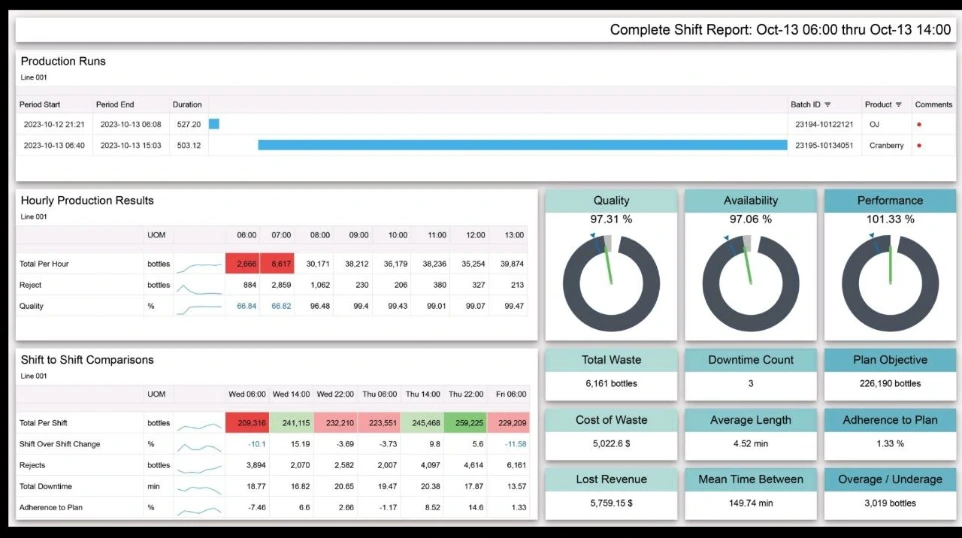
Better Data, Better Decisions
Modern industrial operations generate large amounts of data every day. Machines record activity, production systems track output, and teams collect information about quality, downtime, energy use, and material consumption. However, having access to data does not automatically make it useful. When information is scattered across different systems, databases, and spreadsheets, it can be difficult to understand what is happening across the operation. The software helps address this challenge by bringing operational information together and turning it into clear reports, dashboards, and performance measures.
This platform is an industrial data and reporting tool designed to support production reporting and operational analysis. Its purpose is to help businesses move beyond disconnected readings and manually prepared summaries toward a more consistent understanding of performance. By organizing information from supported sources into a shared reporting environment, the solution helps teams interpret results, investigate problems, and make better-informed decisions.
Book a meeting with Signal Controls team to get started.
Let's Connect
For your industrial hardware & software solutions.